There's a difference between a home that looks organised in photographs and one that actually functions well day to day. The former often involves matching storage boxes, carefully curated shelves, and a certain amount of effort that isn't sustainable for most households. The latter is built on simpler principles: having the right place for things, and making it easy to put them back.
This guide is aimed at the second kind of organisation. It's not about achieving a show-home aesthetic — it's about practical systems that reduce friction, save time, and make your home a more comfortable place to be.
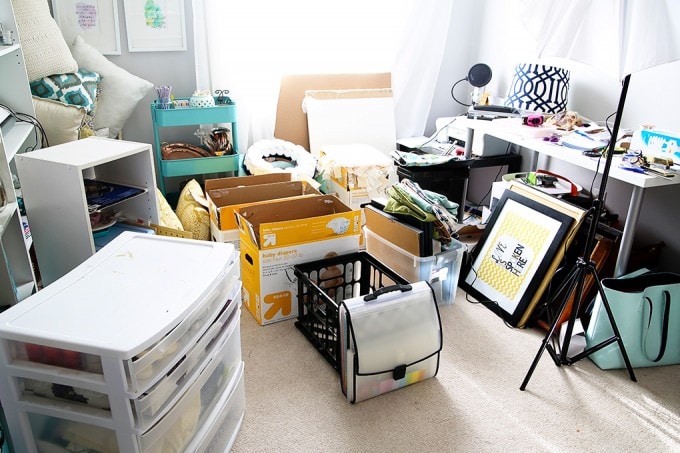
The Core Principle: A Place for Everything
Most household clutter exists because items don't have a designated home. Things are set down on the nearest flat surface and never move again until there's a reason to deal with them — usually a visit from someone you want to impress.
Before buying any storage solutions or reorganising furniture, it's worth doing a room-by-room audit. For each space, ask: what do we actually use in here, and where do those things currently live? The items that genuinely belong in a room are often fewer than you'd expect. Many things accumulate by default rather than by design.
Once you know what should be in each space, you can create a logical home for each category of item. The closer that home is to where the item is used, the more likely it is that it'll actually be returned there.
The Kitchen: Function Over Form
The kitchen is typically the most complex room to organise because it serves multiple functions and contains a large number of items — many of which are only used occasionally.
Work with your habits, not against them
Rather than imposing a system that looks logical on paper, observe where you naturally put things down. The counter next to the hob will always collect frequently used utensils; accept that and organise it intentionally. The area by the kettle will attract mugs, tea, coffee, and sugar — keep them there.
The goal isn't to eliminate all items from worktops. It's to ensure that everything on the worktop is there by design, not by default.
The cupboard problem
Most kitchen cupboards, if left to develop naturally, become a source of frustration. Pots stacked precariously, lids that don't match, items from three years ago pushed to the back. Addressing this doesn't require new storage purchases — it usually requires a clear-out more than anything else.
A practical audit involves emptying a cupboard completely, discarding anything broken, expired, or genuinely unused, and then replacing only what belongs. Group items by use: baking equipment together, pans together, everyday crockery within easy reach. It's simple, but the effect is significant.
The Living Room: Managing the Flow of Clutter
Living rooms are high-traffic spaces that tend to attract items from elsewhere in the house: books half-read, charging cables, remote controls, children's toys, paperwork. The challenge here is less about fixed storage and more about managing what flows in and out.
Contain it strategically
Baskets, boxes, or trays that act as "catch-alls" work well in living rooms, provided they're emptied regularly. A basket for remote controls, charging cables, and similar items is far more effective than trying to give each item its own specific place. A dedicated tray or bowl near the door for keys, wallets, and incoming post prevents these things from migrating throughout the house.
Books and media
Books are one of the few categories where most people agree that display is preferable to storage — they add warmth to a room. Even so, regular reviews are worthwhile. Books you've read and won't return to, or those that were gifts and were never quite right, take up space that might be better used. The same applies to DVDs, games, and any physical media that's accumulated over the years.
The Bedroom: Sleep and Storage
The bedroom has two primary functions: sleep and dressing. Organisation that serves those two things well tends to create a calmer environment, which in turn tends to support better sleep.
The wardrobe
Most wardrobes contain a mix of regularly worn items, occasional-use items, and things kept out of habit or guilt rather than genuine use. A seasonal review — pulling out items you haven't touched in a year and honestly evaluating whether they'll be worn — is one of the most effective things you can do for wardrobe organisation.
Practical tips that genuinely help:
- Hang clothes by category (tops together, trousers together) rather than randomly — it makes getting dressed faster
- Keep the most-worn items at eye level and within easy reach
- Use the shelf above the hanging rail for seasonal items or things used infrequently
- Under-bed storage is useful for items needed occasionally, such as spare bedding — but it can become a dumping ground; use it intentionally
Bedside areas
Bedside tables and the floor around the bed tend to accumulate: books, water glasses, phone chargers, earphones. A small tray or organiser on the bedside table can contain these without making the space feel sparse. The key is to remove anything that doesn't belong there — clothing, paperwork, items left temporarily — on a regular basis.
Hallways and Entryways: The Transition Zone
The hallway is where the outside world meets your home, and it's often where organisation falls apart first. Shoes pile up, bags are dropped, coats accumulate on a single hook, and a general tangle of items builds up over time.
A few things that make a real difference:
- A shoe rack with enough space for the shoes that are actually worn regularly — not all the shoes in the household, just the current rotation
- Hooks at the right height for adults and children to use comfortably
- A dedicated space for bags, backpacks, and any items that go out daily (gym bags, umbrellas)
- A small table or shelf for incoming post, keys, and similar items — with a regular habit of clearing it
The most important thing in an entryway is that the systems are simple enough to use without thinking. If putting something in its place requires effort, it won't happen consistently.
Paper and Admin: The Persistent Problem
Paper is one of the most common sources of clutter in UK households. Despite the shift to digital, a significant amount of physical paperwork still arrives: utility bills, NHS letters, insurance documents, bank statements, renewal notices.
A basic paper management system doesn't need to be complicated:
- Inbox: A single tray or folder where incoming post is placed (not scattered across surfaces)
- To action: Items requiring a response or action — kept small and reviewed regularly
- To file: Documents worth keeping, filed by category (finance, insurance, medical, property)
- Recycling: Everything else — junk mail, flyers, duplicates — goes immediately
The habit that makes this work is dealing with post promptly rather than setting it down to deal with later. Five minutes with a clear system is far more effective than an hour sorting through a pile.
Maintaining Organisation Over Time
Organisation isn't a one-time project — it's an ongoing process. The systems you put in place will drift over time, particularly during busy periods. A monthly or quarterly review of each area of the home helps keep things from reverting.
The review doesn't need to be extensive. It might be as simple as opening a cupboard and pulling out anything that doesn't belong, or doing a sweep of flat surfaces and returning items to their designated places. The aim is to catch drift before it becomes overwhelming.
It's also worth revisiting systems that aren't working. If you consistently find yourself not putting something away in its designated place, that's usually a signal that the place isn't convenient enough, not that you lack willpower. Adjust the system rather than blaming yourself.
A Note on Buying Storage
There's a strong temptation, when trying to get organised, to buy storage products: boxes, baskets, drawer dividers, shelf inserts. These can genuinely help, but they work best after you've reduced the volume of what you're storing, not as a solution to having too much.
Storage products acquired before a clear-out often just make it easier to store things that should have been discarded. Sort first, then buy storage for what remains, if it's needed.
A professional clean before reorganising?
If you're planning a reorganisation of your home, a deep clean first creates an ideal starting point. We work across Folkestone, Hythe, Ashford, and nearby areas in Kent.
Get in Touch Deep Clean Service